Why My Last Client Told Me to Fix My Website First

Discover the lessons learned when a client insisted on website improvements before continuing our work, highlighting the importance of a professional online pre
Written by Logan
OptiLeads editorial guide · Human-first SEO
Logan writes from the messy middle: the experiments that flopped, the lessons that took too long to learn, and the practical fixes that finally held up.
What happened, summed up
My last client took one look at my website and said, “You should probably fix this first.” It stung a bit, but I quickly realized that an out-of-date site was not the problem. No, the fix was deeper—less about aesthetics and more about usability and trust. Spoiler alert: I didn’t have a magical item on my to-do list that would suddenly make everything perfect.
Then it hit me
One day, while I was revamping a client's site, I was knee-deep in design decisions, feeling like a digital Picasso. As I glanced over to my own website—my neglected corner of the internet—I realized I hadn’t updated it in months. A fuzzy, over-pixelated picture of my cat was still the hero image. The irony wasn’t lost on me: I was trying to project professionalism while slinging around an ancient relic. Talk about a facepalm moment.
My illustrative story: A small failure with a big lesson
When I first started out, I was stubborn about my own website. “It’s just a portfolio site,” I told myself. I ignored the glaring fault lines—outdated projects, clunky navigation, and, let's be honest, a blog that never saw the light of day. It was like wearing a beautiful suit over a t-shirt with a ketchup stain—it looked fine until someone got closer.
After receiving the client’s jab, I tried to fix it with a new layout, convinced that fresh visuals would magically make up for the lack of substance. What I didn’t realize was that the real issue wasn’t just aesthetics; it was the experience itself. My navigation still made people feel lost, and my outdated content didn’t instill any trust. Ignoring these details was like slapping on fresh paint over a crumbling wall.
The lesson
Here’s the kicker: once I actually started addressing the issues, things began to change—not just for my own site but in how I approached client projects. First off, I made a checklist of essential updates and features. Here’s the routine I stuck to:
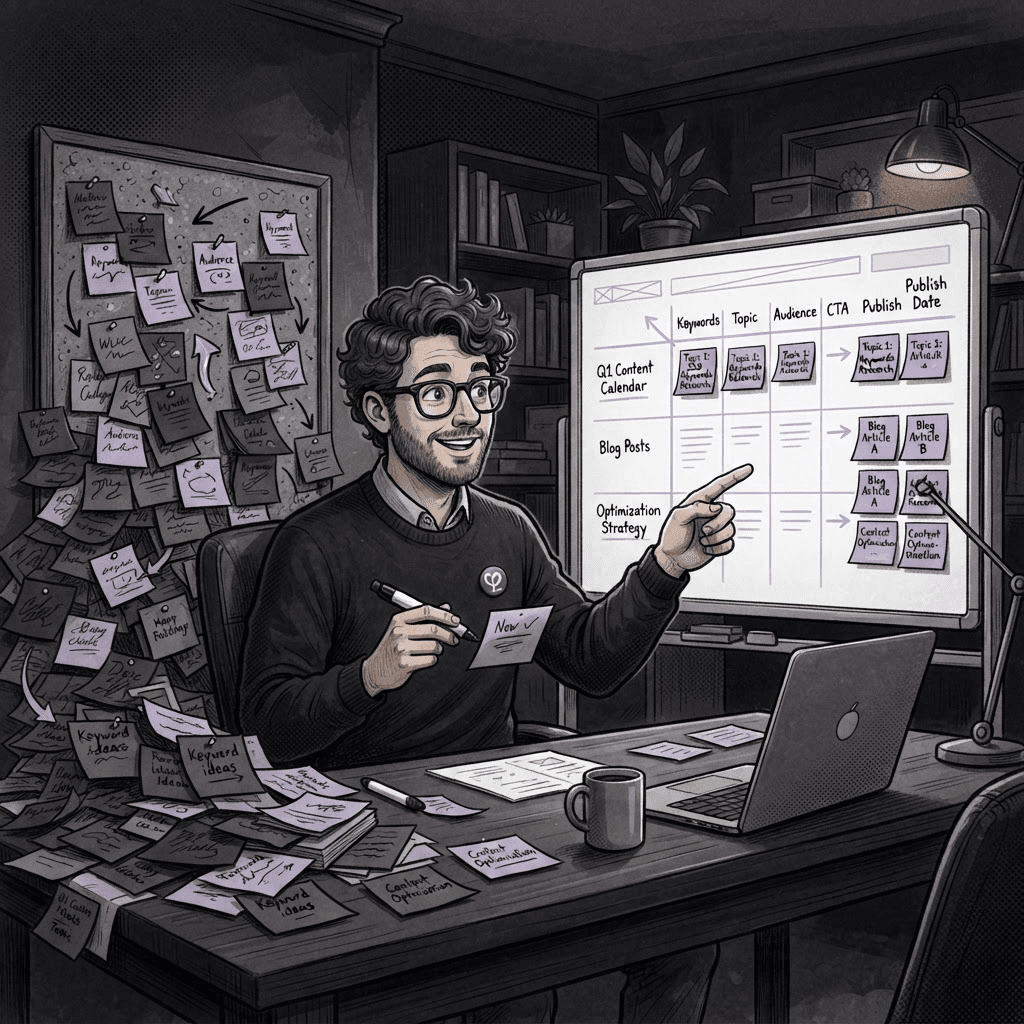
- Audit existing content for relevance and accuracy.
- Improve navigation for ease of use.
- Update visuals regularly to reflect current projects.
After focusing on these details, my client interactions improved. Clients were no longer suspicious; they felt more confident in my abilities. My website wasn’t just a portfolio; it was a trust-building tool. Who knew?
Concrete next steps
If you’ve ever felt the need for a reality check, consider these steps to revamp your own site:
- Conduct a website audit. See what’s outdated and what still resonates.
- Gather real feedback from peers or friends. An outsider’s perspective is golden.
- Implement small, consistent changes instead of waiting for a grand redesign.
Key takeaway
If your website doesn't reflect your best self, it's time for a change. Outdated or poorly designed sites can undermine the trust you’re trying to build with clients.
FAQs
What’s the quickest way to update my site?
Start with your content. Make sure all project descriptions are current and reflect your latest work.
How often should I review my website?
A good rule of thumb is to conduct a full audit every six months, with smaller tweaks as needed. Just like a good haircut, it's all about maintenance!

Tags