How AI Transformed My Design Process (and Why You Should Care)

Discover how AI revolutionized my design workflow, enhancing creativity and efficiency. Learn why adopting AI in your process is crucial for success.
Written by Logan
OptiLeads editorial guide · Human-first SEO
Logan writes from the messy middle: the experiments that flopped, the lessons that took too long to learn, and the practical fixes that finally held up.
What happened, summed up
For a long time, my design process felt like trudging through molasses—slow and sticky. My attempts to adopt AI tools often landed me in chaotic rabbit holes of frustration. The fix wasn’t some magical one-click solution; it took a mix of experimentation and a healthy dose of humility.
Then it hit me
One day, amidst piles of design iterations and half-finished projects, I had a moment. I was staring blankly at my screen, drowning in a wave of AI-generated suggestions that felt more like someone sprinkling confetti on a hot mess than any real help. I realized I was approaching AI like it was a magical oracle rather than a tool I needed to learn how to use. Cue the facepalm.
My Illustrative Story
Not too long ago, I was knee-deep in a website redesign for a family-run bakery. Crisp images of croissants were dancing in my head, but the project quickly spiraled. I thought, "Let’s shortcut this with AI!" I fed my ideas into an AI design generator, hoping to get some snazzy layouts back. But instead of a beautiful web page, I got a mismatched disaster—bold colors clashed, fonts looked like they'd been chosen by a colorblind squirrel, and don’t get me started on the images that looked like they were swiped from a horror movie.
Feeling stubborn (classic me), I tried to fix it by hand-tuning every detail. Instead of stepping back, I dove into each layer, squinting at elements that made no sense together. Spoiler alert: It was a rabbit hole, complete with design archetypes and a lot of swearing.
It wasn’t until I gathered feedback from friends—bless their hearts—that I realized I had skipped a crucial step: understanding how to leverage AI as a collaborator, not a dictator. I wasn’t using it strategically; I was just throwing ideas into a black box and hoping for a miracle. My “fix” was a mess because I failed to set clear parameters for what I wanted. Lesson learned.
Turning the Tables: The Fix
Here’s the thing: AI can enhance creativity, but you’ve got to lead it like it’s your dance partner, not a random kid on the dance floor. When I shifted my strategy, I started defining my expectations first:
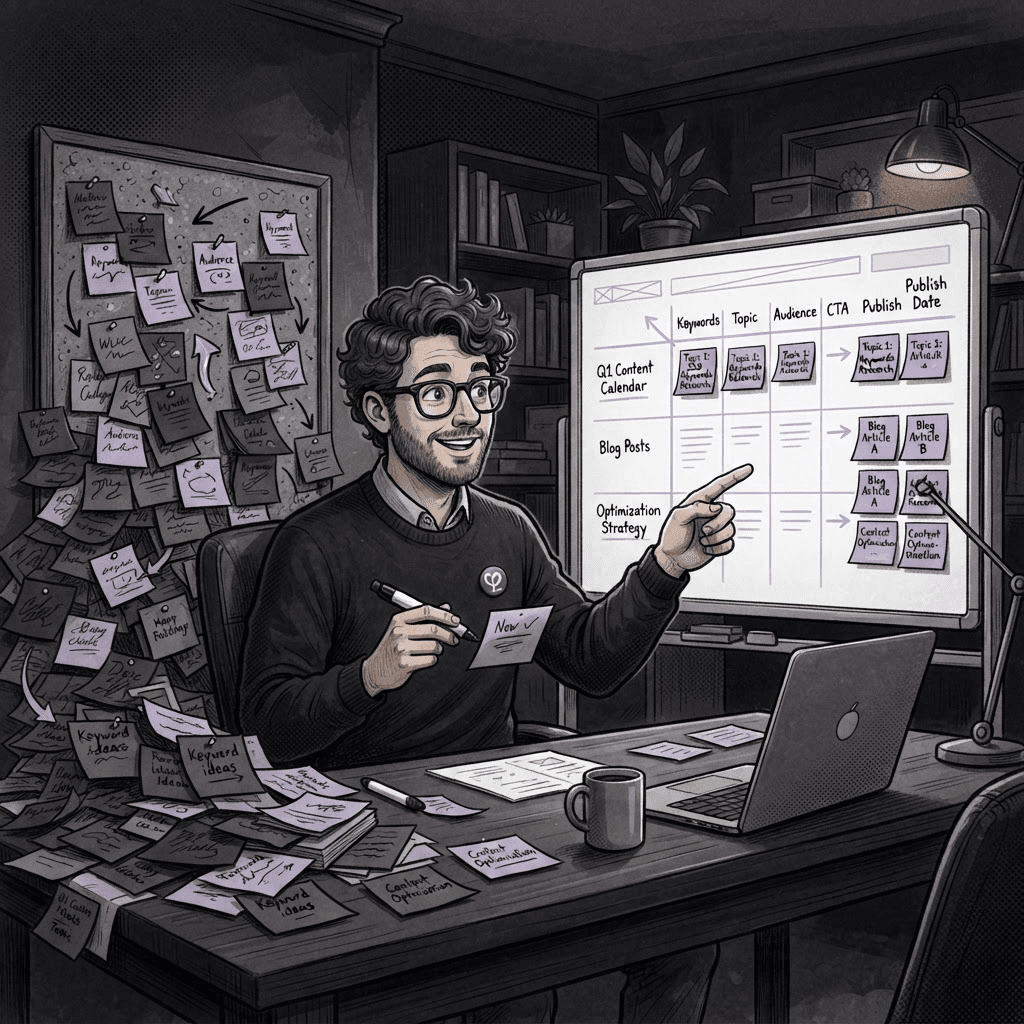
- Clarify Your Goals: Instead of just “make it pretty,” outline exactly what elements are crucial for your design.
- Use AI Wisely: Feed specific prompts into the AI about layout, color schemes, and even emotional tone.
- Iterate: Use AI for brainstorming and initial layouts, but be ready to revise using your design instincts.
By setting clear expectations, I created designs that aligned with my vision, while still leveraging AI's powerful suggestions. It became less of a guessing game and more of a collaboration.
Key Takeaway
AI is a tool, not a magic wand. Use it wisely by guiding it with clear vision and parameters, not just throwing design ideas into a void. Embrace the collaboration.
FAQ
How can I start using AI in my web design process?
Start small. Try using AI for brainstorming layout ideas, generating color palettes, or finding inspiration. You can gradually integrate more complex tasks as you get comfortable.
What if I feel overwhelmed by AI options?
Focus on a couple of tools that resonate with your process. You don’t need to try them all—think quality over quantity.
How do I ensure the designs feel like "me"?
Always infuse your personality and brand voice into the prompts you provide AI. The results will be more aligned with your unique style.
In the end, remember that AI is here to help, not to replace your creative spark. So grab it, lead it, and see where it takes you.

Tags