Unlocking Success: Top Industry Insights for Web Designers and Agencies

Discover essential insights and strategies for web designers and agencies to elevate their success and stay ahead in a competitive industry landscape.
Written by Logan
OptiLeads editorial guide · Human-first SEO
Logan writes from the messy middle: the experiments that flopped, the lessons that took too long to learn, and the practical fixes that finally held up.
Unlocking Success: Top Industry Insights for Web Designers and Agencies
In the rapidly evolving world of web design, staying ahead of the curve is essential for both freelancers and full-fledged agencies. With the rise of automation tools and optimization strategies, the landscape is shifting, offering vast opportunities for improvement and growth. At OptiLeads, we understand the struggles faced by web designers and agencies, and we’re here to provide key insights to help you unlock your full potential. In this article, we'll explore the top industry insights that can enhance your web design projects and streamline operations, leveraging practical tips and real examples.
1. Embrace SEO from the Ground Up
Search Engine Optimization (SEO) isn't just an afterthought; it should be an ingrained part of your design process. Designers often focus heavily on aesthetics, but a beautiful website has little value if it can't be found. Start integrating SEO processes early in your workflow.
Integrating SEO at Design Phase
- Mobile-First Design: Given that more than half of global web traffic comes from mobile devices, prioritize a mobile-first approach. Use tools like Google’s Mobile-Friendly Test to ensure compatibility.
- Site Speed Optimization: Design lightweight pages that load quickly. According to a study from Google, 53% of visits are abandoned if a mobile site takes longer than three seconds to load. Tools like GTmetrix can help analyze and improve loading times.
- Structured Data: Use schema markup to help search engines understand your content, enhancing visibility. Platforms like Schema.org provide various options to implement structured data effectively.
For example, a local bakery that invests time in mobile optimization can see a tangible increase in local search visibility and foot traffic. By focusing on these aspects at the design phase, you'll create websites that perform well in search engines right from launch.
2. Foster Client Relationships with Clear Communication
Good communication is the backbone of successful projects. Creating clear lines of communication with clients reduces misunderstandings, improves client satisfaction, and results in repeat business. Here’s how to foster better relationships:
Setting Expectations Early
- Define Deliverables: Clearly outline what the client can expect at each project milestone. Use tools like Trello or Asana for transparent project management.
- Regular Check-ins: Schedule weekly or bi-weekly meetings to discuss project progress and gather feedback. This keeps clients engaged and allows for corrections before issues become significant.
- Use Prototypes: Create wireframes and prototypes early in the design process. Tools like Figma and Adobe XD allow clients to visualize the project, aligning expectations to reality.
A digital marketing agency that follows these principles might find that their client retention rates begin to soar, as clients appreciate the confidence they feel throughout the process. When clients know what to expect, it sets the stage for smoother project execution.
3. Utilize Automation for Efficiency
Automation is not just a buzzword; it can be a game changer for web designers and agencies. By automating repetitive tasks, you can free up time to focus on creativity and strategy.
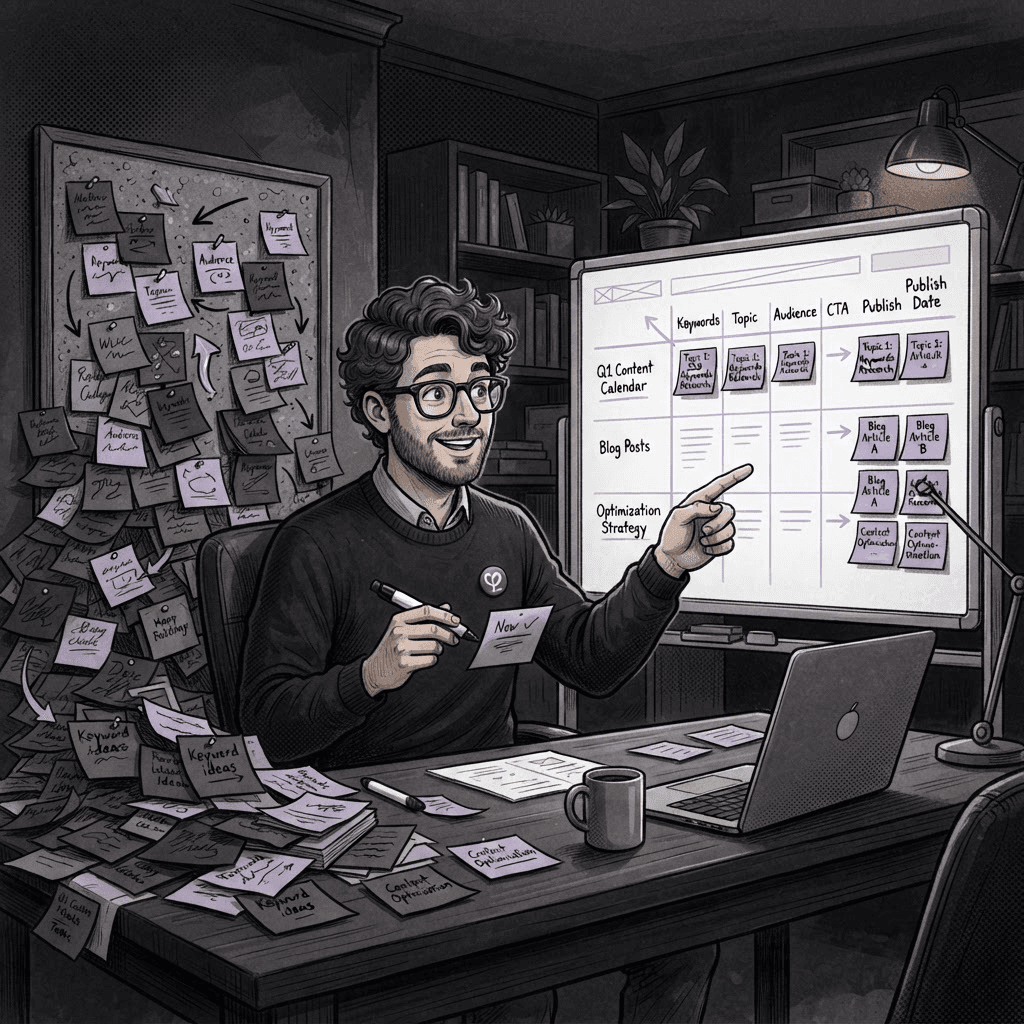
Key Areas for Automation
- SEO Audits: Tools like OptiLeads can automate SEO audits for your clients' websites, helping you identify optimization opportunities without manually combing through each site.
- Reporting: Regular reporting can take days when done manually. Use automated reporting tools to generate insights about website performance in real-time, providing clients with instant access to crucial metrics.
- Client Follow-ups: Automate follow-up emails and request for feedback after project completion. Tools like Mailchimp allow you to manage communication seamlessly.
For instance, an agency that automates its SEO audits saves countless hours each month. Instead of laboriously checking each website, they focus on strategy and securing new clients, thereby unlocking new revenue streams.
4. Continuous Learning and Networking
The field of web design evolves quickly, making ongoing education vital for success. New trends, tools, and technologies emerge consistently. Engaging with the community and building a network can open up numerous opportunities.
Strategies for Continuous Growth
- Attend Workshops and Seminars: Look for local or online workshops that focus on the latest design trends, tools, and SEO practices. Conferences like Awwwards offer insights from industry leaders.
- Join Online Forums: Participate in communities such as Designer Hangout or Reddit’s /r/web_design for collaboration and knowledge sharing.
- Utilize Online Courses: Websites like Coursera or Udemy offer courses to help you keep your skills sharp, whether in design software, SEO techniques, or client management strategies.
Consider the case of a small design agency that regularly attends workshops. By implementing newfound skills and sharing insights within their network, they enhance their service offerings, attracting a wider client base and building a reputation as industry experts.
5. Showcase Your Value with Case Studies
Finally, one of the best ways to attract new clients is to showcase your value through compelling case studies. Potential clients want to see evidence of your ability to deliver results.
Creating Effective Case Studies
- Outline Challenges and Solutions: Start your case study with the challenges faced by the client, and then detail the solutions you provided. This clearly illustrates your problem-solving abilities.
- Include Metrics: Use quantifiable data to back up your claims. For example, demonstrate how a redesign increased website traffic by 40% or improved conversion rates by 25%.
- Visual Elements: Incorporate images or videos of your design work to provide a visual reference. Before-and-after images are particularly compelling.
An example might be an e-commerce website that saw a 30% increase in sales post-redesign. Sharing such success stories with potential clients not only makes your services tangible but also builds trust.
Conclusion
By integrating SEO from the ground up, fostering strong client relationships, leveraging automation, committing to continuous learning, and effectively showcasing your value, web designers and agencies can unlock significant opportunities for success. As you employ these insights and strategies, remember that tools like OptiLeads can simplify your SEO processes, enabling you to focus on creating beautiful, functional websites that drive results. The landscape is ever-changing; stay informed, adaptable, and proactive, and you'll not only keep pace but thrive in this dynamic industry.

Tags