Transforming Projects: Inspiring Case Studies for Web Designers and Agencies

Discover inspiring case studies that showcase innovative transformations for web designers and agencies. Elevate your projects with real-world insights!
Written by Logan
OptiLeads editorial guide · Human-first SEO
Logan writes from the messy middle: the experiments that flopped, the lessons that took too long to learn, and the practical fixes that finally held up.
Transforming Projects: Inspiring Case Studies for Web Designers and Agencies
Welcome to the OptiLeads blog, where we delve into the world of web design and agency management. As an SEO automation tool, we understand the challenges and triumphs you've faced in the ever-evolving digital landscape. In this article, we’ll explore case studies that exemplify how effective project transformations can lead to remarkable results. We’ll provide practical tips and real-life examples that ensure your projects are not just completed but truly successful.
Case Study 1: Redesigning for User Experience
One of the most effective ways to enhance a website’s performance is through a redesign centered around user experience (UX). In this case, we’ll look into Studio X, a web design agency that faced declining client engagement due to outdated website layouts.
Challenge
Studio X had a portfolio of impressive works but noticed that site visitors were spending less time on their pages and the bounce rate was alarmingly high.
Strategy
To address these issues, Studio X undertook a comprehensive redesign process:
- User Research: They conducted surveys and interviews with past clients to identify pain points.
- Competitor Analysis: They analyzed competitors' websites to gather insights on successful design practices.
- Prototyping: They created prototypes to visualize and test new layout ideas before full implementation.
Results
After implementing these strategies, Studio X achieved:
- A 30% increase in average session duration.
- A 25% decrease in bounce rate.
- Enhanced client feedback, leading to an increase in repeat business.
Tip for Web Designers
Always prioritize UX in your designs. Gather feedback and iterate continuously. Consider using tools like Hotjar to track user behavior and make informed design decisions.
Case Study 2: Leveraging SEO Automation
Next, let’s examine Agency Y, a mid-sized web design firm striving to improve its online visibility. Despite producing quality work, their website was not ranking well on search engines, hindering their ability to attract new clients.
Challenge
Agency Y faced difficulties in maintaining their SEO strategy, with manual optimization taking away valuable time from their core design tasks.
Strategy
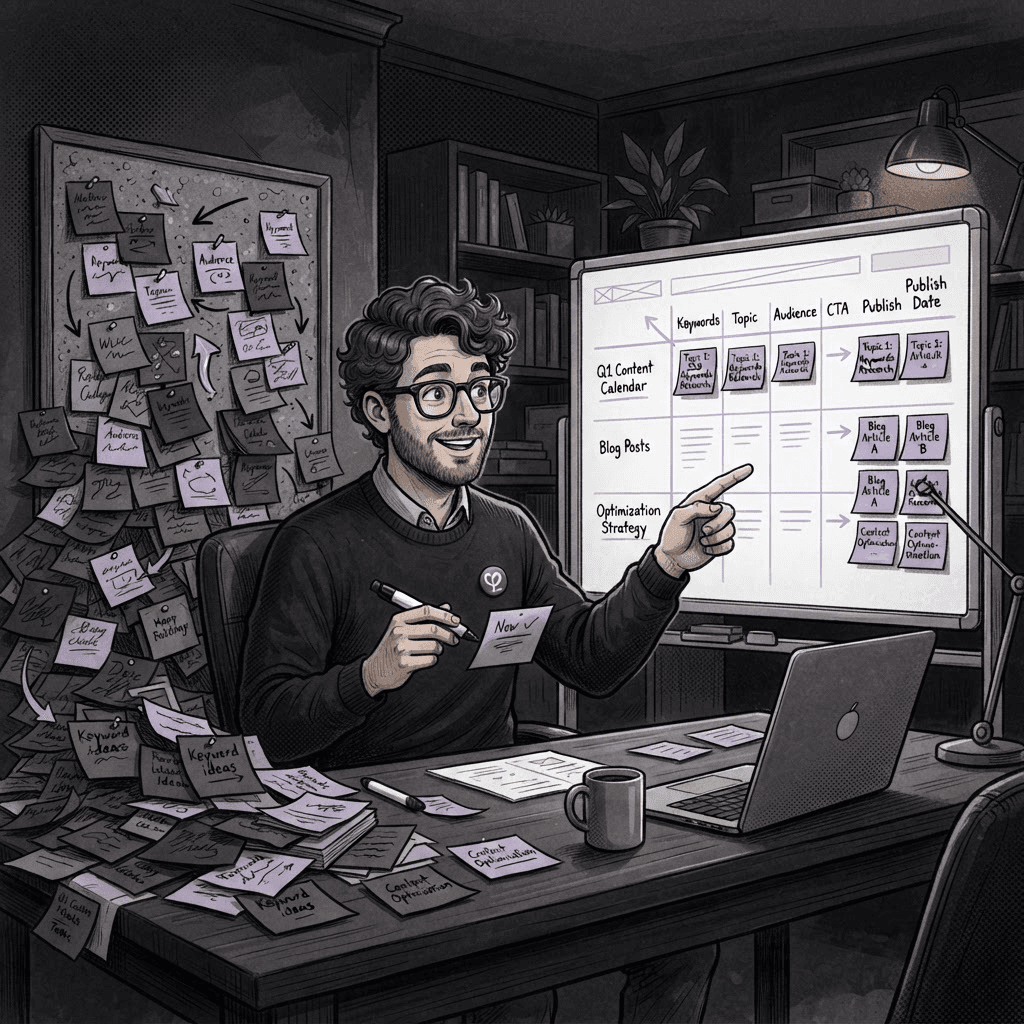
They decided to implement OptiLeads to automate their SEO efforts. Here’s how:
- Keyword Research: Leveraging OptiLeads, they identified relevant keywords for their services.
- Content Optimization: The tool provided real-time suggestions to improve their existing content.
- Analytics Integration: They integrated analytics to monitor their SEO performance easily.
Results
As a result of these efforts, Agency Y saw:
- A 50% increase in organic traffic within three months.
- Improvement in keyword rankings, with multiple keywords landing on the first page.
- A 40% increase in client inquiries originating from organic search.
Tip for Agencies
Consider automating your SEO processes to free up time for creative tasks. Ensure that you regularly analyze SEO data for ongoing optimization. OptiLeads can assist in streamlining your SEO efforts, allowing you to focus on design and client relationships.
Case Study 3: Implementing Agile Project Management
For our final case study, we’ll explore Design Firm Z, which transitioned to an Agile project management approach to enhance team collaboration and project delivery.
Challenge
Design Firm Z experienced delays in project timelines and miscommunication among team members, leading to client dissatisfaction.
Strategy
By adopting Agile methodologies, they implemented the following strategies:
- Sprint Cycles: They introduced two-week sprints to manage task delivery.
- Daily Stand-ups: Short daily meetings kept everyone aligned on project goals and progress.
- Client Involvement: Clients were invited to give feedback at the end of each sprint, ensuring that the final product met their needs.
Results
Post-implementation of the Agile approach, Design Firm Z experienced:
- A 35% reduction in project delivery times.
- Improved team morale and collaboration.
- A noticeable increase in client satisfaction ratings, leading to a greater number of referrals.
Tip for Design Firms
Implement Agile methodologies to enhance collaboration and speed in project delivery. Regularly communicate with your team and clients to ensure everyone is on the same page. Utilize project management tools like Trello or Asana to facilitate this process.
Conclusion: Embrace Change for Better Outcomes
The world of web design is constantly evolving, and agencies must adapt to meet new challenges and seize opportunities. By learning from these case studies, web designers and agency owners can implement effective strategies that transform their projects from mediocre to exceptional.
Whether it's improving user experience, leveraging SEO automation, or adopting Agile project management, the key takeaway is that there’s always room for improvement. Embrace change, continue learning, and watch your designs and agency thrive in an ever-competitive landscape.
For more resources and tools that can support your journey, consider exploring OptiLeads for effective SEO automation and project management tips. Happy designing!

Tags