I Ignored UX for Sales—Here’s What Happened Next

Discover the consequences of sidelining UX for sales strategies and learn valuable lessons from my experience that could reshape your approach.
Written by Logan
OptiLeads editorial guide · Human-first SEO
Logan writes from the messy middle: the experiments that flopped, the lessons that took too long to learn, and the practical fixes that finally held up.
What happened, summed up
I decided to cut corners by prioritizing flashy sales pitches over user experience (UX) on our new client’s website. Spoiler alert: it bombed. The fix wasn’t magic; it was laborious, requiring starting from scratch—not something I can recommend lightly.
Then it hit me
One day, during a pitch meeting that was definitely more about our revenue than the actual users, I glanced around the room. Everyone looked like they’d been lobotomized by corporate jargon mixed with my over-enthusiastic sales lingo. I realized, with a jolt, that we were building a site to impress ourselves, not our visitors. My stubbornness was inadequate UX in action, and I was finally paying the price for it.
An illustrative story
Not long ago, I was knee-deep in a project for a client who wanted to double their online sales. While cranking out high-pressured sales content, I ignored key UX principles—like how users needed to find information easily. Instead, I stuffed the homepage with every buzzword I could think of and paraded fancy animations like they were the main dish at a five-star restaurant. I thought: “This is what they want!” Spoiler alert: they hated it.
The site launched. I was on a high, ready to toast our success with my team. But when I looked at the analytics after just a month, my heart sank. Bounce rates were off the charts, and conversion rates? Let’s just say I’d have better luck asking my cat to perform on command. It dawned on me: I hadn’t just miscalculated; I had blatantly disregarded what users actually needed.
In a desperate attempt to fix it, I plastered the site with pop-ups encouraging users to "Get the Deal!" or "You Won't Believe This!" My grand idea? More urgency equals more sales! Just like adding extra frosting to a cake doesn't make it more nutritious. Turns out, all I accomplished was angering visitors even more. They felt like they were trying to navigate a minefield of sales tactics instead of simply browsing a website. Who would've thought?
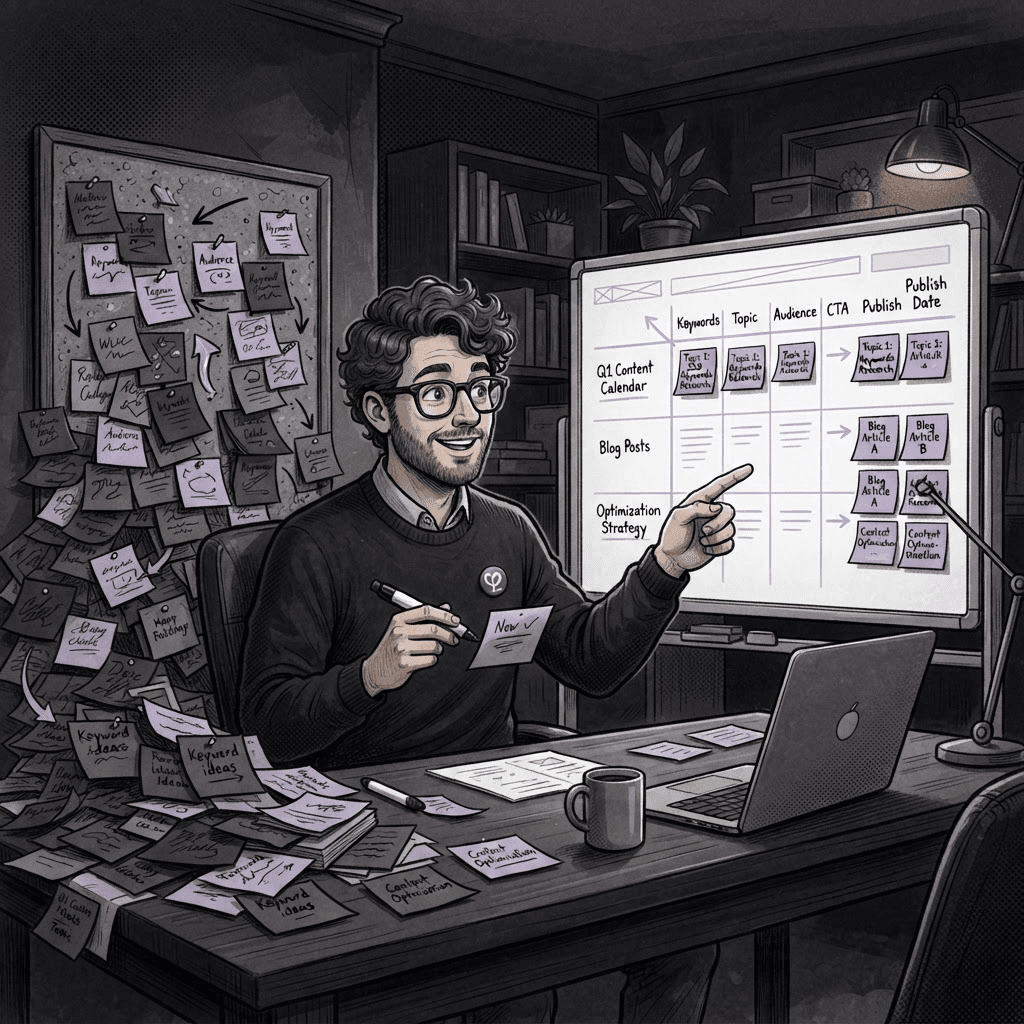
Eventually, the lesson hit hard: UX isn’t an optional dessert; it's the main dish. So, we scrapped it all and went back to basics, focusing on user pathways, simplifying the navigation, and actually caring about our users' goals. We involved clients in wireframes and conducted user testing before launching. The difference was mind-blowing—almost as if someone turned the lights on in a dark room.
Key Takeaway
Ignoring UX for the allure of immediate sales is like polishing a rotten apple. Focus on user needs first; sales will follow as a natural consequence.
Next Steps for Web Designers and Agencies
- Get to know your users: Conduct surveys and interviews to understand their needs and pain points.
- Wireframe first: Before any design or copy, outline user journeys to visualize how they will interact with your site.
- Iterate, then test: Use prototypes and gather user feedback. Iterate on the design based on actual behavior, not hunches.
- Educate your clients: Share the UX journey with your clients, including the reasoning behind decisions to avoid the sales trap.
FAQ
What is the biggest mistake in UX I should avoid?
Relying solely on what you think will sell. Focus on the user's experience — it'll yield long-term results.
How can I convince clients about the importance of UX?
Show them the data. Present case studies or analytics from past projects illustrating both the highs of good UX and the lows of bad UX.
So, if you’re ever tempted to prioritize sales pitches over good ol' fashioned UX, remember the minefield I wandered into. Trust me, you don’t want to take that detour.

Tags